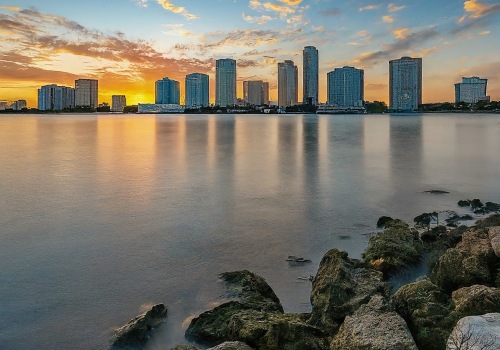
St. Petersburg, Florida, often affectionately referred to as St. Pete, is a vibrant city located on the Gulf Coast. Known for its stunning beaches, rich cultural scene, and year-round sunshine, St.
Pete has become a sought-after destination for both tourists and potential residents alike. With its picturesque waterfront parks and a thriving arts community, the city offers a unique blend of relaxation and excitement that appeals to a diverse population. As you consider making St. Petersburg your home, understanding the cost of living is crucial. The city boasts a variety of neighborhoods, each with its own character and price points, making it essential to explore what living in St.
Pete entails. From the bustling downtown area filled with restaurants and shops to the quieter residential neighborhoods, there are options for every lifestyle and budget. In addition to its beautiful surroundings, St. Petersburg is known for its friendly community atmosphere and numerous recreational activities. Whether you enjoy outdoor adventures like kayaking and biking or prefer cultural experiences such as visiting museums and galleries, St.
Pete has something for everyone. This introduction sets the stage for a deeper dive into the cost of living in St. Petersburg, helping you determine if this coastal paradise aligns with your financial expectations.
Housing Costs in St. Petersburg
When considering a move to St.Petersburg, Florida, understanding the housing costs is essential. The city has become increasingly popular, leading to fluctuations in both rent prices and home purchase prices.
Average Rent Prices
- The average rent for a one-bedroom apartment in St. Petersburg is approximately $1,500 per month.
- For a two-bedroom apartment, expect to pay around $1,800 monthly.
- Rent prices can vary significantly based on location; areas closer to the waterfront or downtown typically command higher rents.
Home Purchase Prices
- The median home price in St. Petersburg is about $350,000, which is higher than the national average.
- Homes in desirable neighborhoods can exceed $500,000, especially those with waterfront views or modern amenities.
- For first-time homebuyers, there are options available starting around $250,000, but these may require compromises on size or location.
Comparisons to National Averages
- According to recent data, St.
Petersburg's housing costs are approximately 10-15% higher than the national average.
- This increase is attributed to the city's growing popularity as a retirement destination and its vibrant cultural scene.
- Despite the higher costs, many residents find the quality of life and amenities justify the expense.
Utilities and Other Monthly Expenses
When considering the cost of living in St. Petersburg, FL, it's essential to factor in the average costs of utilities and other monthly expenses.These costs can vary significantly based on personal usage and lifestyle choices.
Average Utility Costs
The average monthly utility bill in St. Pete typically includes electricity, water, heating, and garbage collection. Here’s a breakdown of what you can expect:- Electricity: The average electricity bill for a standard apartment is around $120 per month. This can fluctuate based on the season, with higher costs during the hot summer months due to air conditioning usage.
- Water and Sewer: Residents usually pay about $50 to $70 monthly for water and sewer services.
This cost can vary depending on household size and water usage habits.
- Internet: High-speed internet is essential for many residents, with average costs ranging from $60 to $100 per month, depending on the provider and speed selected.
- Garbage Collection: Most residents pay around $25 per month for garbage collection services, which is often included in property taxes or HOA fees for some communities.
Other Monthly Expenses
In addition to utilities, there are other monthly expenses to consider:- Transportation: If you own a car, budget for gas and insurance, which can add another $150 to $300 monthly depending on your driving habits.
- Groceries: The average grocery bill for a single person in St. Petersburg is approximately $300 to $400 per month.
- Healthcare: Depending on your insurance plan, healthcare costs can vary widely but expect to budget at least $200 monthly for premiums and out-of-pocket expenses.
Transportation Costs in St.
PetersburgWhen considering the cost of living in St. Petersburg, FL, one of the key factors to evaluate is transportation costs. The city offers a variety of options for getting around, each with its own associated expenses.
Public Transportation in St. Petersburg
The primary public transport system in St.Petersburg is operated by the Pinellas Suncoast Transit Authority (PSTA). The cost of a single ride on a bus is approximately $2.25, while a day pass can be purchased for around $5. For those who plan to use public transport frequently, a monthly pass is available for about $65. This can be a cost-effective option for commuters and residents who rely on public transit for their daily activities.
Commuting Expenses
If you prefer to drive, it’s essential to factor in the costs associated with car ownership.The average price of gasoline in St. Petersburg hovers around $3.00 per gallon, which can add up quickly depending on your commute distance. Additionally, car insurance rates in Florida are among the highest in the nation, averaging around $1,500 annually.Other expenses include maintenance, parking fees, and potential tolls if you travel outside the city. Parking in downtown St.
Petersburg can range from $1 to $2 per hour, so it’s wise to consider these costs when budgeting for transportation.
Biking and Walking
For those who prefer a more eco-friendly approach, biking and walking are also viable options in St. The city has made significant strides in improving bike lanes and pedestrian pathways, making it easier to navigate without a vehicle. While biking may require an initial investment in a bicycle, it can save you money on gas and parking in the long run.In summary, whether you choose public transport or opt for car ownership, understanding the transportation costs in St. Petersburg is crucial for managing your overall budget effectively.Food and Grocery Prices
When considering the cost of living in St.Petersburg, FL, food and grocery prices play a crucial role. Understanding these expenses can help potential residents gauge their overall budget.In St. Pete, grocery prices are generally in line with national averages, but some items may be slightly higher due to the city's coastal location. For instance, staples like milk and bread typically range from $3 to $4 for a gallon and loaf, respectively.
Fresh produce can vary, with apples costing around $1.50 per pound and bananas about $0.60 each.
Dining Out Costs
Dining out in St. Petersburg offers a variety of options that cater to different budgets. On average, a meal at an inexpensive restaurant will set you back about $15 per person. For a three-course meal for two at a mid-range restaurant, expect to pay around $60 to $80.- Fast food meals: Approximately $8 to $10.
- Local favorites: Seafood restaurants often charge more, with entrees ranging from $20 to $40.
- Cafés and diners: Breakfast or brunch can cost between $10 and $15 per person.
Petersburg hosts numerous farmers' markets where residents can purchase fresh, local produce at competitive prices. This not only supports local agriculture but also provides an opportunity for healthier eating options.Overall, while food expenses in St. Petersburg can vary based on lifestyle choices and dining preferences, they remain manageable for most residents. By budgeting wisely and exploring local markets and eateries, individuals can enjoy the culinary delights of this vibrant city without breaking the bank.
Healthcare Costs in St.
PetersburgWhen considering the overall cost of living in St. Petersburg, FL, healthcare costs play a significant role. Understanding the expenses associated with medical services and insurance is crucial for anyone planning to move to or live in this vibrant city.
Healthcare costs in St. Petersburg
can vary widely based on factors such as age, health status, and the type of insurance coverage one has.On average, residents can expect to pay around $4,000 to $5,000 annually for individual health insurance premiums. This figure can fluctuate depending on the plan selected and the level of coverage required.
Out-of-Pocket Medical Expenses
In addition to insurance premiums, out-of-pocket expenses for medical services are another important consideration. Common out-of-pocket costs include:- Co-pays: Typically range from $20 to $50 per visit for primary care and specialist appointments.
- Deductibles: Many plans have annual deductibles that can range from $1,000 to $5,000, which must be met before insurance coverage kicks in.
- Prescription medications: Costs can vary significantly; however, many residents spend an average of $100 to $300 monthly on prescriptions.
Insurance Rates:
The rates for health insurance in St. Petersburg are influenced by several factors including age, income level, and whether one qualifies for government assistance programs like Medicaid or Medicare.
For those under 65, the Affordable Care Act (ACA) marketplace offers various plans that can help lower costs based on income.Overall, while healthcare costs in St. Petersburg may be higher than some other regions in Florida, they are generally comparable to national averages. It’s essential for residents to carefully evaluate their healthcare needs and budget accordingly to ensure they are adequately covered without incurring excessive expenses.
Education and Childcare Expenses
When considering a move to St. Petersburg, Florida, families often prioritize education and childcare expenses.Understanding the costs associated with these services is crucial for effective financial planning.
Education Costs in St. Pete
The public school system in St. Petersburg is managed by the Pinellas County Schools, which is known for its diverse range of educational programs. The average cost per student in public schools is funded through local taxes, making it relatively affordable for residents.However, families may still incur additional costs such as:
- School supplies: Expect to spend around $100 to $200 annually per child.
- Extracurricular activities: Fees for sports, clubs, and other activities can range from $50 to $300 each.
- Transportation: If your child requires bus services, there may be a nominal fee depending on the distance from home.
Private School Options
If you are considering private education, tuition rates can vary significantly. On average, families can expect to pay:- $8,000 to $15,000 per year for elementary schools.
- $10,000 to $20,000 per year for high schools.
Childcare Prices in St. Petersburg
For families with younger children, childcare is another significant expense. The cost of daycare and preschool programs in St.Pete typically ranges from:
- $600 to $1,200 per month for infants and toddlers.
- $500 to $1,000 per month for preschool-aged children.
Comparison with Other Florida Cities
When considering the cost of living in St.Petersburg, it’s essential to compare it with nearby cities like Tampa and Orlando. These comparisons can provide valuable insights into whether St. Pete is a more affordable option for potential residents.
St. Petersburg vs.
TampaSt. Petersburg and Tampa are often viewed as sister cities, but they have distinct differences in living costs. On average, the cost of living in St. Petersburg is about 5% lower than in Tampa.
Housing is a significant factor in this comparison; while both cities offer a range of options, St. Pete tends to have slightly lower rental prices.
- Average Rent: A one-bedroom apartment in St. Pete averages around $1,600, compared to $1,800 in Tampa.
- Utilities: Monthly utility costs are also lower in St. Petersburg, averaging about $150 compared to Tampa's $170.
- Transportation: Public transportation costs are similar, but St.
Pete's walkability can save residents money on commuting.
St. Orlando
When comparing St. Petersburg to Orlando, the differences become even more pronounced. Orlando's cost of living is generally higher due to its status as a major tourist destination.- Housing Costs: In Orlando, a one-bedroom apartment can cost upwards of $1,900, making St.
Pete a more attractive option for those seeking affordable housing.
- Groceries and Dining: Grocery prices are comparable; however, dining out tends to be slightly cheaper in St. Petersburg.
- Overall Affordability: Residents often find that their dollar stretches further in St. Pete than in Orlando, especially when considering entertainment and leisure activities.
This affordability combined with its vibrant culture and beautiful waterfront makes it an appealing destination for many looking to relocate within the state.
Frequently Asked Questions about Living in St. Petersburg, Florida, many potential residents have questions about the cost of living and lifestyle in the area. Here are some frequently asked questions that can help you make an informed decision.- What is the average cost of housing in St. Petersburg?
The average rent for a one-bedroom apartment in St. Petersburg is around $1,500 per month, while purchasing a home can range from $300,000 to over $500,000 depending on the neighborhood. Areas closer to the waterfront tend to be more expensive.
- How do utility costs compare?
Utility costs in St. Petersburg are generally in line with national averages. Expect to pay around $150 per month for basic utilities, including electricity, heating, cooling, water, and garbage. - What about transportation expenses?
Public transportation is available through the Pinellas Suncoast Transit Authority (PSTA), with monthly passes costing approximately $65. However, many residents prefer to drive, so consider car insurance and gas prices when budgeting. - Are groceries expensive in St.
Petersburg?
Grocery prices are fairly reasonable, with a typical monthly grocery bill for one person averaging around $300-$400. Local markets often offer fresh produce at competitive prices. - What recreational activities are available?
St. Petersburg boasts beautiful beaches, parks, and cultural attractions like museums and galleries. Many outdoor activities are free or low-cost, making it easy to enjoy the local lifestyle without breaking the bank.
In summary, while the cost of living in St.
The average rent for a one-bedroom apartment in St.
Petersburg is around $1,500 per month, while purchasing a home can range from $300,000 to over $500,000 depending on the neighborhood. Areas closer to the waterfront tend to be more expensive.
Utility costs in St. Petersburg are generally in line with national averages. Expect to pay around $150 per month for basic utilities, including electricity, heating, cooling, water, and garbage.
Public transportation is available through the Pinellas Suncoast Transit Authority (PSTA), with monthly passes costing approximately $65. However, many residents prefer to drive, so consider car insurance and gas prices when budgeting.
Petersburg?
Grocery prices are fairly reasonable, with a typical monthly grocery bill for one person averaging around $300-$400. Local markets often offer fresh produce at competitive prices.
St. Petersburg boasts beautiful beaches, parks, and cultural attractions like museums and galleries. Many outdoor activities are free or low-cost, making it easy to enjoy the local lifestyle without breaking the bank.
Petersburg can be higher than some other areas in Florida, it offers a vibrant lifestyle with plenty of amenities and activities that can justify the expense. Understanding these factors can help you plan your move effectively.
Conclusion: Is Living in St. Petersburg Worth It?
In conclusion, the question of whether living in St. Petersburg, FL, is worth the cost is multifaceted and depends on individual priorities and lifestyle choices.Throughout this article, we have explored various aspects of the cost of living in St. Pete, including housing, utilities, transportation, and recreational activities. When considering the cost of living summary, it is evident that while St. Petersburg may have a higher cost compared to some other cities in Florida, it also offers a unique blend of benefits that can justify the expense. The vibrant arts scene, beautiful beaches, and a warm climate are just a few factors that contribute to its appeal.
Key Considerations
- Housing Costs: While rental prices can be steep in certain neighborhoods, there are still affordable options available for those willing to explore.
- Quality of Life: The city boasts a low crime rate and excellent healthcare facilities, making it an attractive option for families and retirees alike.
- Recreational Opportunities: With numerous parks, cultural events, and outdoor activities, residents often find that the lifestyle offsets the higher costs.
Petersburg is considered expensive or not will vary from person to person. For some, the vibrant community and lifestyle may outweigh the financial considerations. For others, it may be essential to weigh their budget against their desire for such amenities. In final thoughts on living in St. Pete, it’s crucial to assess your personal circumstances and what you value most in a living environment.
If you prioritize culture, climate, and community engagement, then investing in life in St. Petersburg could very well be worth it.